Sign In
Create an account and enjoy all the benefits of HAR.com!
Sign In
Sign in using social account


Bringing greenery indoors is one of the most-loved holiday traditions for Houston homeownersfrom festive mantle displays in Katy to full seasonal décor in The Woodlands. But while plants add warmth and color, not all of them are safe for pets. Cats and dogs often nibble on leaves or flowers out of curiosity, and even small amounts of certain holiday favorites can create serious medical issues.
A pet's reaction depends on the plant species, how much they consumed, and the animal's size and age. And importantly, even plants labeled mildly toxic can become far more dangerous when treated with fertilizers, floral preservatives, or pesticides.
To help you decorate your Houston home safely, here's a homeowner-friendly guide to the most common holiday plantsbroken into safe, mildly toxic, and highly toxic categories.
If you're searching for festive décor that fits seamlessly into homes in Cypress, Sugar Land, or Spring, Christmas cactus is one of the safest choices. It's non-toxic to both cats and dogs, according to the ASPCA. While overeating any plant may cause minor stomach upset, this variety is one of the best pet-friendly options for holiday decorating.
Many homeowners are surprised to learn fir trees produce oils that can irritate a pet's mouth or stomach. Needles can also cause digestive tract irritation or blockages.
Don't overlook this hazard:
The tree-stand water may grow mold or bacteria or contain preservatives from the tree lot. Pets who drink treated or stagnant water may experience gastrointestinal upset. Covering the basin is a simple preventative measure.
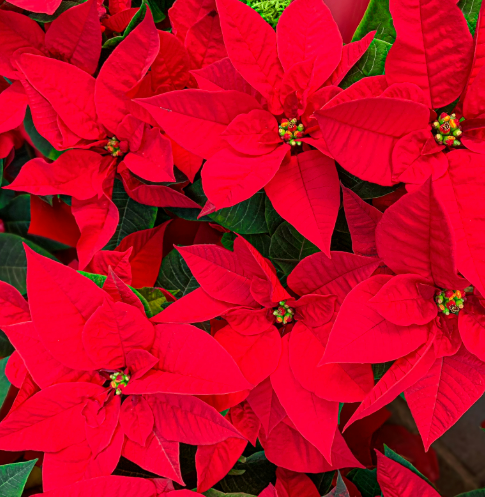
Despite their dramatic reputation, poinsettias are rarely deadly. NIH reports no confirmed fatalities in pets or humans. However, the plant's milky sap can cause drooling, vomiting, and mild stomach discomfort.
Important note:
If the plant was treated with pesticides, toxicity levels rise significantly. Pesticide ingestion may cause tremors, seizures, or comaespecially in young or small pets.
Found in many Houston holiday arrangements, holly leaves and berries are mildly toxic to pets and can lead to vomiting, diarrhea, or lethargy.
For humans, NIH notes the berries carry the highest riskchildren may show symptoms after consuming as few as five berries.
A favorite holiday gift plant, amaryllis can cause vomiting, diarrhea, abdominal pain, tremors, or excessive drooling in pets.
Cyclamen is widely used in winter floral arrangements across master-planned communities in The Woodlands and Sugar Land.
Its rhizome contains concentrated toxins known as triterpenoid saponins. Eating the tuber may lead to severe vomiting, heart rhythm irregularities, or even seizures. Luckily, the bitter taste often limits ingestion.
While mistletoe brings holiday charm, it poses serious risks to pets. Symptoms may include gastrointestinal issues, difficulty breathing, low blood pressure, erratic behavior, or even cardiovascular collapse.
Lilies are extremely dangerousespecially for cats. Even licking pollen or nibbling a leaf can trigger kidney failure. Veterinary experts recommend removing lilies from any home with cats. If you love them, keep them at the office instead.
Often gifted during the holidays, daffodils are highly toxicespecially to cats. Even small bites of the flower or bulb may lead to kidney complications.
These delicate white blooms are sometimes added to winter bouquets. Ingesting them can cause vomiting, low blood pressure, irregular heartbeat, disorientation, seizures, or coma.
To reduce risk around your home in Katy, Cypress, or the greater Houston suburbs:
Keep toxic plants well out of reachideally completely out of the home.
Cover Christmas tree water basins to prevent drinking.
Avoid plants that were treated with pesticides or floral preservatives.
Call your veterinarian or a Houston-area emergency clinic immediately if ingestion is suspected.
Choose pet-safe alternatives like Christmas cactus, rosemary topiaries, or pet-friendly ferns.
You can absolutely enjoy beautiful holiday greenery while keeping your pets safe. With a little awareness and intentional plant selection, Houston homeowners can decorate confidentlywithout risking their furry family members' health.
If you want to learn more about toxic holiday plants, reach out to Jennifer Yoingco, REALTOR, and her team, The Houston Suburb Group. They'll help you get ready to EXPERIENCE LIVING IN HOUSTON TEXAS!
If you suspect poisoning in a human, call the Poison Control Hotline at 1-800-222-1222. The ASPCA offers help via the ASPCA Animal Poison Control Center: (888) 426-4435.
Explore this blog on our website here! |
1. Are poinsettias really poisonous to pets?
Not usually. They’re mildly irritating, but danger increases if the plant was treated with pesticides.
2. What should I do if my pet eats a holiday plant?
Call your vet or an emergency clinic immediately. Symptoms vary widely by plant and pet size.
3. Which holiday plants are the most dangerous?
Lilies, mistletoe, and lily of the valley pose the highest risk—especially for cats.
4. Is Christmas tree water toxic?
It can be if contaminated with mold, bacteria, or preservatives. Cover the basin to prevent access.
The Ultimate Home Buyer's Guide
The Ultimate Home Seller's Guide

#jenniferyoingcorealtor #jenniferyoingco #JenniferYoingcoTexas #houstonsuburb #houstonsuburbs #houstonsuburbgroup #texasrelocationexperts #HoustonRelocationExpert #HoustonRelocationSpecialist #NurseRelocationExpert #NurseRelocationSpecialist #newhomeconstruction #thehighlands #ravennahomes #ravennahomesforsale #ravennahomesrealtor #ravennahomesrealestateagent #springtexas #tomballtexas #livinginhoustontexas #livinginhouston #thewoodlandstexas #conroetexas #montgomerytexas #cypresstexas #newcaneytexas #portertexas #katytexas #pearlandtexas #richmondtexas #fulsheartexas #sugarlandtexas #houstontexas #magnoliatexas #hockleytexas #pinehursttexas #jerseyvillagetexas #humbletexas




 Erase note
 You currently have no custom folders