Sign In
Create an account and enjoy all the benefits of HAR.com!
Sign In
Sign in using social account


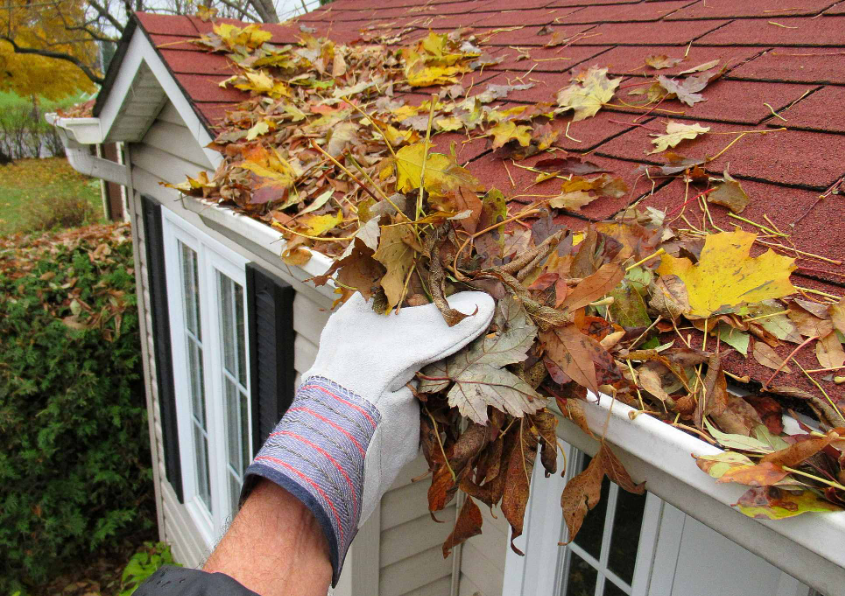
Moving is stressful even on a clear Houston daybut add freezing rain, mud, or slushy conditions and the entire process becomes a balancing act. The good news? With the right preparation and a few reliable winter moving tips, you can protect your belongings, keep floors dry, and get from one home to the next without feeling overwhelmed.
Whether you're relocating across Houston, Katy, Cypress, or The Woodlands, these five practical strategies will help make your bad-weather move far safer and smoother.
Cold, wet, or icy weather means you'll want doors opening and closing quickly, floors staying dry, and walkways clear. Kids and petsexcited, curious, and constantly underfootcan unintentionally slow the process or make things less safe.
Before moving day, line up a plan such as:
Asking a trusted friend or family member to host the kids
Booking a babysitter for a few hours
Arranging pet boarding or having someone they know pet-sit
Keeping kids and pets warm, safe, and entertained frees you to focus on lifting, loading, and watching your footing.
In a Houston-area winter, cold fronts can roll in fast. Treat the forecast like your moving co-pilot.
What to check:
A reliable weather app with notifications
Local news station alerts for severe weather or road updates
Your state's Department of Transportation website for closures
Route-planning tools that overlay weather conditions
If the weather changes suddenly, build in a backup planlike shifting your timeline by a few hours or taking a safer alternate route.
Nothing slows a winter move down faster than wet shoes and muddy floors. Your essentials box saves time, frustration, and cold toes.
Pack one clearly labeled bin with:
Old towels, rags, and floor-drying cloths
Ice scraper, de-icer, or shovel (if applicable)
A change of clothes for each family member
Snacks, drinks, and bottled water
Phone/tablet chargers
Daily medications and first-aid essentials
Bathroom basics (towels, toilet paper, soap, shower curtain)
Coffee maker, filters, and mugs
Pet food, bowls, and leashes
Activities for kids
Keep this box in your personal vehiclenot in the moving truckso you have access even if the truck gets delayed.
Electronics + sudden temperature changes = a recipe for internal condensation that can lead to damage if powered on too soon.
To protect your devices:
Wrap electronics in bubble wrap + a soft blanket
Pack items in padded boxes and fill empty spaces
Seal and insulate the boxes with an extra blanket
Once inside your new home, let them warm to room temperature before using
A little caution now helps avoid costly repairs later.
When everything is damp and cold, you might want to hook up your washer and dryer immediatelybut manufacturers recommend otherwise.
Most pros suggest:
Letting your washing machine sit 12+ hours after a cold move to allow any internal water to thaw
Bringing your dryer up to indoor temperature before running it
Applying this same slow warm-up rule to other large appliances
Giving appliances time to adjust avoids damaging hoses, seals, and internal components.
Moving in winter weatherwhether it's Houston rain, a cold front, or out-of-state snowwill never be anyone's favorite task. But with smart planning, a weather-ready essentials box, and extra care for electronics and appliances, you can make the day far more manageable.
And if your budget allows, hiring experienced movers is still one of the best winter moving tips available. They've handled every type of weather and know how to protect your belongings and your floors.
Whether you're upgrading, downsizing, or relocating, our team is here to guide you through every part of the process. Reach out to Jennifer Yoingco, REALTOR, and her team, The Houston Suburb Group. They'll help you get ready to EXPERIENCE LIVING IN HOUSTON TEXAS!
Explore this blog on our website here! |
FAQ 1: Is it a bad idea to move in winter?
Moving in winter isn't ideal, but it's often unavoidable. As long as you prepare for bad weather, protect your belongings, and build extra time into your schedule, a winter move can be safe and manageable.
FAQ 2: How do I protect my floors when it's wet or snowy outside?
Lay down old towels, rugs, or cardboard along main walkways, especially near doors. Ask movers or helpers to wipe their shoes and try to keep one entrance as the main traffic path to limit mess.
FAQ 3: How long should I wait before plugging in electronics after a cold move?
To reduce the risk of condensation-related damage, many pros recommend letting electronics sit at room temperature for several hours before plugging them in. When in doubt, check the manufacturer's guidelines for your specific device.
FAQ 4: Can I run my washing machine right after a winter move?
It's safer to wait at least 12 hours before using a washer that's been in freezing or near-freezing temperatures. This gives any residual water in the unit time to thaw completely and helps avoid damage.
FAQ 5: What should go in my winter moving essentials box?
Include towels, extra clothes, snacks, water, pet supplies, basic bathroom items, medications, phone chargers, and activities for kids. Keep this box in your car so it's accessible even if the moving truck is delayed.
The Ultimate Home Buyer's Guide
The Ultimate Home Seller's Guide

#jenniferyoingcorealtor #jenniferyoingco #JenniferYoingcoTexas #houstonsuburb #houstonsuburbs #houstonsuburbgroup #texasrelocationexperts #HoustonRelocationExpert #HoustonRelocationSpecialist #NurseRelocationExpert #NurseRelocationSpecialist #newhomeconstruction #thehighlands #ravennahomes #ravennahomesforsale #ravennahomesrealtor #ravennahomesrealestateagent #springtexas #tomballtexas #livinginhoustontexas #livinginhouston #thewoodlandstexas #conroetexas #montgomerytexas #cypresstexas #newcaneytexas #portertexas #katytexas #pearlandtexas #richmondtexas #fulsheartexas #sugarlandtexas #houstontexas #magnoliatexas #hockleytexas #pinehursttexas #jerseyvillagetexas #humbletexas




 Erase note
 You currently have no custom folders