Sign In
Create an account and enjoy all the benefits of HAR.com!
Sign In
Sign in using social account


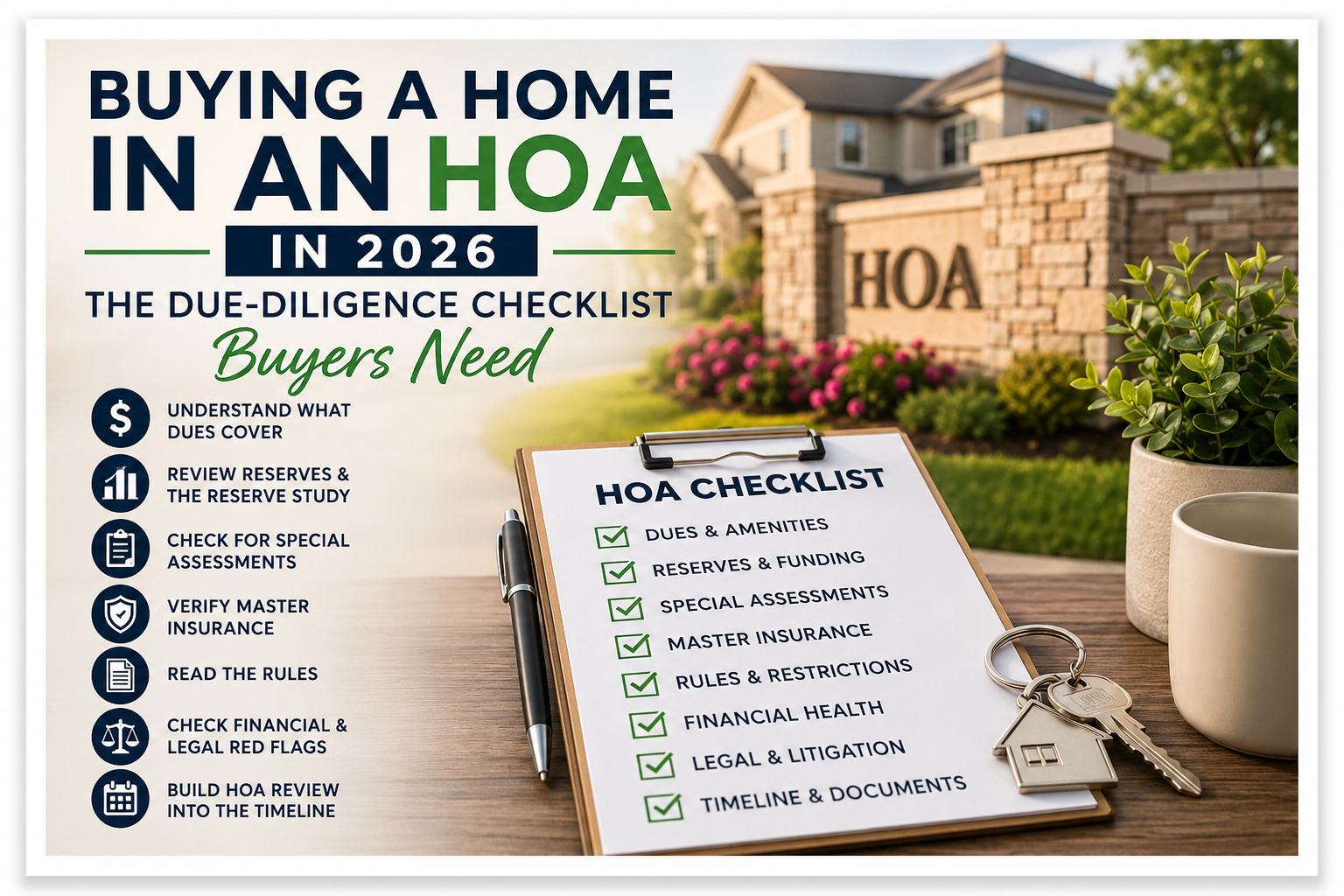
An HOA can provide maintenance, shared amenities, neighborhood standards, orin a condominiumthe building systems and insurance structure that make ownership possible. It can also create financial and lifestyle obligations that are easy to underestimate when a buyer focuses only on the listing price and monthly payment.
In 2026, HOA and condo due diligence deserves extra attention. Current industry coverage says Fannie Mae and Freddie Mac retired the Limited Review and Streamlined Review processes for almost all established condominium projects beginning August 3, 2026. That means conventional lenders may scrutinize the entire project more closely, including reserves, insurance, structural conditions, litigation, special assessments, and delinquent dues. The change is especially relevant to condo buyers; it does not mean every single-family home in an HOA is subject to the same project-review process.
Do not evaluate an HOA fee by looking only at the dollar amount. Request a written breakdown of what the dues pay for: exterior maintenance, roofs, landscaping, water, trash, roads, gates, elevators, amenities, security, master insurance, or management.
Compare the current budget with the fee. A very low assessment may look attractive but could indicate that the association is postponing maintenance or underfunding reserves. A higher fee may be reasonable if it covers substantial services and is supported by a healthy budget.
Ask how often dues have increased, whether an increase is already approved, and whether the association charges transfer, resale, capital-contribution, or move-in fees.
Reserves pay for major future repairs and replacements rather than routine operations. Ask for the most recent reserve study, the current reserve balance, the annual reserve contribution, and the schedule for major projects. A study that is more than a few years old may not reflect current construction costs or the condition of the property.
Look for a pattern: Does the association contribute consistently? Are major components funded? Does the budget depend on special assessments to complete routine capital work? Current buyer checklists often treat reserve funding around 70% or more as a useful screening point, but there is no universal safe percentage for every property. A concrete high-rise, older building, and newer townhouse community have different needs.
For condo financing, current 2026 guidance also points to a minimum reserve-allocation requirement of 10% of the annual budget, rising to 15% for loan applications dated on or after January 4, 2027, according to industry summaries. Ask the lender how the rules apply to the specific project and loan.
A special assessment is an additional charge for a major expense. Review board minutes, financial statements, notices, and the resale or estoppel certificate for approved, proposed, or discussed assessments. Pay particular attention to roofs, foundations, balconies, parking structures, plumbing, electrical systems, elevators, windows, and drainage.
A project can be affordable today and expensive six months later if a large repair is already under discussion. Ask whether the seller has paid the assessment in full, whether installments transfer to the buyer, and whether the association has pending claims or bids for work. Put answers in writing and have the closing professional confirm how any balance is handled.
In a condo, the association's master policy and the owner's unit policy work together. Request the declarations page, coverage limits, deductible structure, exclusions, and recent claims information. Pay attention to whether the policy covers replacement cost and whether a large per-unit deductible could become an owner charge after a claim.
Current 2026 lender guidance has increased attention to project insurance and deductible details. A buyer should also understand what the personal policy must cover: interior finishes, personal property, liability, loss assessment, and temporary living expenses. Insurance requirements can affect both financing and monthly ownership costs.
CC&Rs, bylaws, rules, and architectural guidelines can affect how you use and resell the home. Check rental caps, minimum lease terms, short-term-rental restrictions, pet limits, parking, home businesses, renovations, solar panels, fences, satellite dishes, and exterior changes.
If you may rent the property later, confirm whether a waitlist exists and whether the cap applies to the whole community or only a particular building. If you have a large dog, plan renovations, or need dedicated parking, get a written answer rather than relying on a casual statement.
Request the annual budget, year-to-date financials, balance sheet, delinquency information, board minutes, current violations, pending litigation, engineering reports, and the association questionnaire used by the lender. Persistent operating deficits, high unpaid dues, repeated emergency repairs, unresolved structural concerns, or significant litigation deserve professional review.
For a Texas purchase, ask for the association's resale certificate and other documents promptly; document requirements, delivery rules, and buyer remedies can depend on the property and the governing documents. This article is educational, not legal advice, so consult a Texas real-estate attorney when a disclosure or deadline is unclear.
Ask your agent before making an offer which HOA documents are available, how long the review period lasts, and whether the contract provides a right to terminate after document review. Request documents immediately after acceptance, send them to the lender early, and confirm that the project is financeable before waiving protections.
A useful document packet includes the declaration or CC&Rs, bylaws, current rules, budget, recent financial statements, reserve study, board minutes, insurance declarations, resale certificate or estoppel, assessment notices, and litigation disclosures.
HOA due diligence is not just a question of monthly dues. It is an examination of the association's finances, reserves, insurance, maintenance plan, rules, and legal exposure. The 2026 condo-review changes make early lender and document review even more important. Buyers who read the governing documents and financial records before closing are better positioned to avoid surprise costs and discover whether the community fits their plans.




 Erase note
 You currently have no custom folders