Sign In
Create an account and enjoy all the benefits of HAR.com!
Sign In
Sign in using social account


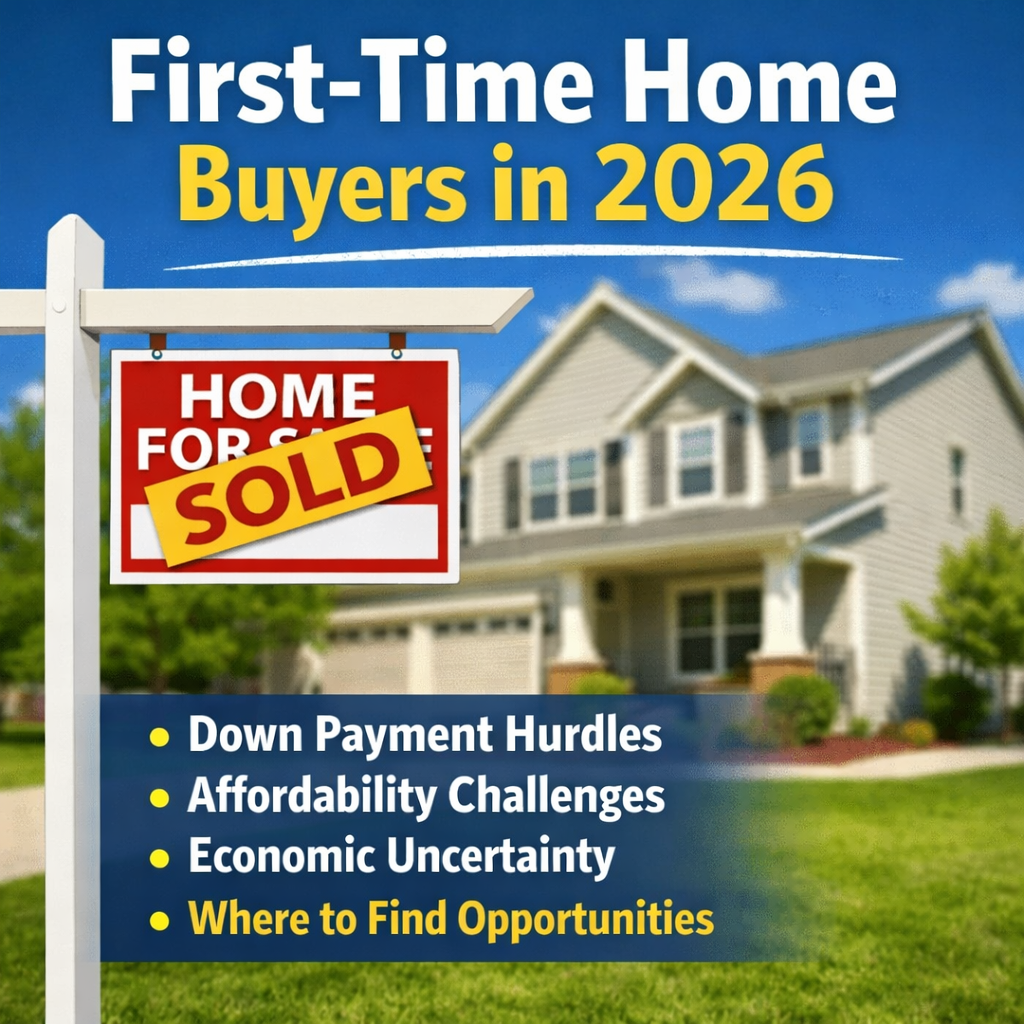
In January 2026, the NAHB/Wells Fargo Housing Market Index dropped to 37—a significant decline that signals weakening builder confidence in the new construction market. For the first time since September, the index measuring future sales expectations fell below the neutral 50 mark. While this headline might sound alarming, the reality for home buyers is quite different. This decline actually creates unprecedented opportunities.
The NAHB Housing Market Index measures builder sentiment across three categories: current sales conditions, sales expectations for the next six months, and buyer traffic. A reading above 50 indicates more builders are optimistic than pessimistic; below 50 suggests the opposite.
At 37, we're seeing genuine concern among builders. But this concern isn't about the market collapsing—it's about affordability constraints and buyer hesitation despite improving conditions. Prospective buyer traffic has declined, indicating that even with lower rates and more inventory, many potential buyers remain on the sidelines.
1. Affordability Remains Challenging
Despite mortgage rates dropping to 6.06%, home prices are still elevated relative to historical income levels. Builders are seeing fewer qualified buyers ready to purchase, even with incentives. The gap between what homes cost and what buyers can afford remains the primary constraint.
2. Economic Uncertainty
Consumer sentiment is near historic lows due to political volatility and economic concerns. This uncertainty is making buyers hesitant to commit to a 30-year mortgage, even when rates are favorable.
3. Reduced Immigration Impact
Immigration has accounted for 75% of household formation growth since 2010. Potential policy changes could reduce this, directly impacting demand for new homes and putting pressure on builder sales.
4. Structural Housing Shortage
A 1.5 million unit housing deficit persists from years of underbuilding. While this sounds like good news for builders, it also means construction costs remain elevated, limiting their ability to build affordable homes.
Here's where the opportunity emerges. As builder confidence weakens, builders are becoming increasingly aggressive with incentives to move inventory:
This is a dramatic shift. Just 12 months ago, builders had waiting lists and were raising prices. Now they're competing for buyers.
Better Value Than Resales
With builder incentives at 65%, new construction often provides better value than comparable resale homes. A builder might offer a 2-1 rate buy-down (reducing your rate by 2% for year one, 1% for year two) or cover $20,000 in closing costs. These incentives can save you tens of thousands of dollars.
Warranty Protection
New homes come with builder warranties covering structural defects and systems. This eliminates the risk of discovering expensive problems after purchase—a major concern with older homes.
Energy Efficiency
New construction meets current building codes and energy standards, resulting in lower utility bills. Over 30 years, this can save $50,000+ compared to older homes.
Customization Options
Many builders still offer design choices, allowing you to customize finishes, layouts, and features. This is rarely possible with resale homes.
No Bidding Wars
Builder homes are priced individually, not subject to multiple offers. You negotiate directly with the builder, not against other buyers.
Interestingly, the decline in builder confidence is also benefiting resale buyers. As new construction becomes more competitive, resale sellers are forced to offer better terms and pricing to compete. This creates a win-win: buyers can choose between new construction incentives or resale negotiating leverage.
For first-time buyers, builder weakness creates a unique opportunity. Many builders offer first-time buyer programs with:
Combined with the current mortgage rate environment (6.06% is historically reasonable), first-time buyers have more purchasing power than they've had in years.
Forecasters expect home sales could rebound by up to 14% nationally in 2026, driven by improving affordability, increased inventory, and homeowners finally listing after years of staying put. This rebound would benefit both builders and resale markets, but only if affordability improves further.
The key variable: mortgage rates. If rates drop to 5.5-6.0% as some forecasters predict, buyer demand could surge, lifting builder confidence and reducing incentives. Conversely, if rates remain near 6.4%, builder incentives will likely persist.
1. Shop New Construction Aggressively
Don't accept the builder's first offer. Negotiate on price, incentives, and terms. Builders are motivated to sell.
2. Compare New vs. Resale
Get comparable resale prices in the same area. Often, new construction with incentives beats resale pricing.
3. Lock in Rate Buy-Downs
If a builder offers a 2-1 rate buy-down, take it. This provides payment relief in years one and two while you adjust to homeownership.
4. Negotiate Closing Costs
Builders often have flexibility on closing costs. Ask them to cover appraisal, title insurance, or other fees.
5. Consider Timing
Spring typically brings more builder activity and potentially more incentives. But if you find the right home now, don't wait.
Builder confidence dropping to 37 sounds negative, but for buyers, it's actually positive. Weak builder sentiment translates to aggressive incentives, better pricing, and more negotiating leverage. Combined with improved mortgage rates and increased inventory, 2026 is shaping up to be one of the best buyer's markets in years.
The question isn't whether to buy in 2026. It's whether you'll capitalize on the advantages this market offers—before builder confidence recovers and incentives disappear.




 Erase note
 You currently have no custom folders