Sign In
Create an account and enjoy all the benefits of HAR.com!
Sign In
Sign in using social account


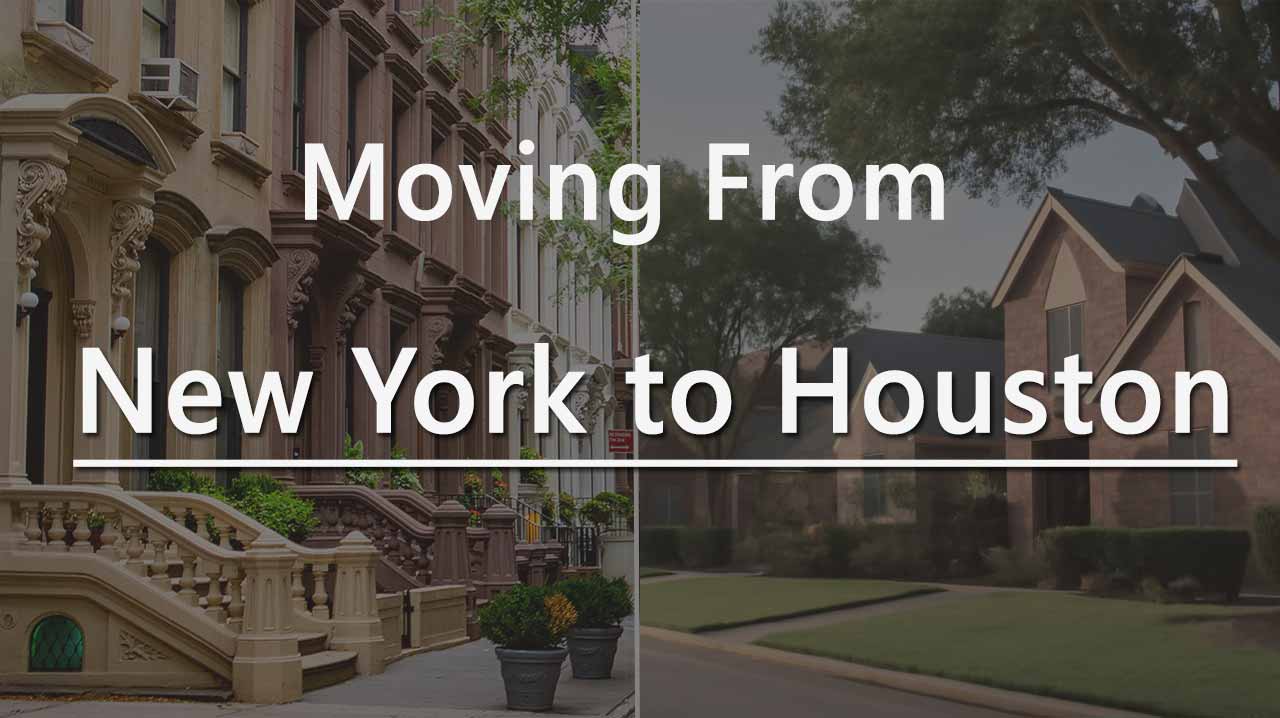
Moving from the density of New York to the vast, sprawling cityscape of Houston can feel like stepping into another rhythm of life. The pace slows in some ways but quickens in others, and the priorities shift from subway schedules to where the best barbecue is served and which neighborhood will suit your lifestyle. Here’s what to know before you swap your MetroCard for a Texas driver’s license.
Housing is one of the most immediate shifts you will notice. Many New Yorkers discover they can purchase a home here for less than the price of a Manhattan one-bedroom. A budget that barely covers 700 square feet in the city might stretch to 2,500 square feet in a Houston neighborhood with a backyard and a garage.
The absence of state income tax surprises many relocating professionals. It often softens the blow of higher property tax rates, which average about 2.0%–2.3% of assessed value depending on the county.
Realtor insight: “Clients from New York are often stunned by how much space they can get here. We’re talking bedrooms for each child, a home office, sparkling pool, and even a real yard for the dog,” says Mike Brombacher, a top-producing Houston real estate agent.
| Location | Median Home Price | Size (Sq. Ft) | Property Tax Rate |
|---|---|---|---|
| Manhattan, NY | $1.1M | 31,050 | 1.6% |
| Brooklyn, NY | $880,000 | 1,200 | 1.6% |
| Houston, TX (city avg) | $350,000 | 2,200 | 2.2% |
Each Houston neighborhood has its own personality. You’ll find pockets that feel more urban, areas with a creative edge, and communities that prize large yards and top-rated schools.
Tree-lined streets and restored bungalows give The Heights a blend of historic charm and modern convenience. Median home prices hover near $650K with average sizes around 2,300 square feet. Nearby Donovan Park is a family favorite, and White Oak Bayou Greenway offers miles of biking and jogging paths. Locals savor brunch at Common Bond Café and dinner at Coltivare’s garden-to-table Italian restaurant.
This artsy district offers a mix of mid-century homes and luxury townhouses, often priced around $550K for 2,000 square feet. Eleanor Tinsley Park sits nearby, hosting music festivals and skyline views. Dining runs from Hugo’s upscale Mexican to Uchi’s celebrated sushi. Montrose appeals to those who miss the cultural intensity of New York without losing neighborhood intimacy.
Known for its well-maintained streets and academic ties to Rice University and proximity to the Texas Medical Center, West University’s home prices start around $1.3M with spacious 3,000+ square-foot homes. Since West University is actually a city within Houston, West U has their own police, fire dept/EMT, city council, water department, and mayor. Colonial Park offers pools and tennis, while Tiny’s No. 5 serves elevated comfort food. The elementary school ranks among the best in Houston, making it popular for relocating families.
| Neighborhood | Park Access | Signature Dining | Median Price |
|---|---|---|---|
| The Heights | Donovan Park | Coltivare | $650,000 |
| Montrose | Eleanor Tinsley | Hugo's | $550,000 |
| West University | Colonial Park | Tiny’s No. 5 | $1.3M |
Houston’s subtropical climate means hot, humid summers and mild winters. Summer highs often pass 95°F, and humidity can make it feel warmer. Air conditioning is not a luxury here, it’s a necessity. Hurricanes and tropical storms are a consideration, though modern building codes and detailed flood maps help residents prepare wisely.
Flood insurance is a point many New Yorkers ask about, especially after hearing about Hurricane Harvey. Premiums vary by elevation and flood zone, and it’s worth reviewing FEMA maps before choosing a property.
Public transportation in Houston operates on a smaller scale than New York’s MTA. METRORail covers select areas like Downtown, Midtown, the Museum District, and NRG Park, but most daily commutes require a car. Parking is widely available and often free outside of Downtown.
Traffic patterns vary depending on where you live. Inside the Loop, commutes to central business districts can be under 20 minutes. Those in outer suburbs may spend 45 minutes to an hour in peak traffic. Rush hour typically builds earlier than in New York, often starting before 7 a.m.
Grocery shopping becomes a different experience too. Instead of walking to a corner store, you’ll likely drive to larger retailers.
Houston’s dining scene can compete with New York in both diversity and quality, though it reflects the city’s own cultural makeup. Expect exceptional Tex-Mex, barbecue, Vietnamese, Nigerian, and Indian cuisine. James Beard Award-winning chefs work here alongside family-run eateries that have been operating for decades.
The city’s cultural infrastructure is extensive. The Theater District houses nine performing arts organizations, while the Museum District offers an unparalleled concentration of art, science, and history museums. Sports culture is equally strong with the Astros (MLB), Rockets (NBA), and Texans (NFL) drawing devoted fans.
Mortgage advisor perspective: “The mix of lower purchase prices and no state income tax means many buyers can afford more home than they initially thought, especially compared to the monthly costs they’re used to in New York,” notes William Cook of WCLoanPro.com
Nightlife includes rooftop lounges in Midtown, craft beer taprooms in EaDo, and speakeasy-style cocktail bars scattered across Montrose and The Heights. Live music is easy to find, whether it’s a small jazz trio or a national act at the Toyota Center.
Relocating from New York to Houston is more than just a change of address. It is an opportunity to enjoy more space, more sunlight, and a pace that still keeps you connected to vibrant city life. Houston blends global culture with a Texas sense of welcome. You will find dining that rivals any major market, neighborhoods with character and charm, and green spaces that make the city feel open even in its busiest areas. The combination of lower housing costs, no state income tax, and strong job opportunities creates a lifestyle that many New Yorkers quickly appreciate.
Finding the right neighborhood will make all the difference. The Heights offers porch-lined streets and a strong community feel, Montrose gives you artistic energy and walkable dining, and West University delivers quiet streets close to top schools. Each area inside the Loop has its own personality and you will know when one feels like home. The best way to discover it is to visit, talk to residents, and see it for yourself. When you are ready, I can help you compare your options, tour properties that fit your style, and make the move to Houston with confidence.




 Erase note
 You currently have no custom folders